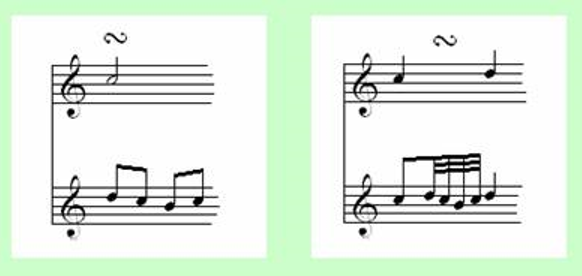

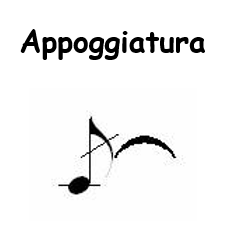
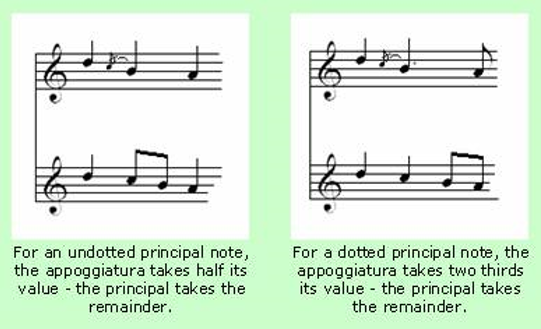
Widely used in "early music". Always played on the beat. The principal follows the duration of the appoggiatura. The duration of the appoggiatura is determined by the note value of the principal note. May ascend (move from the note below the principal note) or descend (move from the note above the principal note) depending on the ornamental sign.

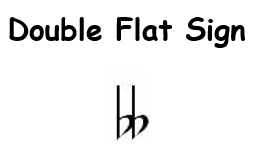
The sign that lowers a note by two semitones.
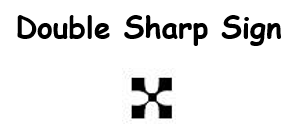
The sign that raises a note by two semitones.
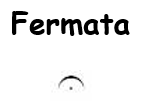
(Italian) musical symbol placed over a note or rest to be extended beyond its normal duration
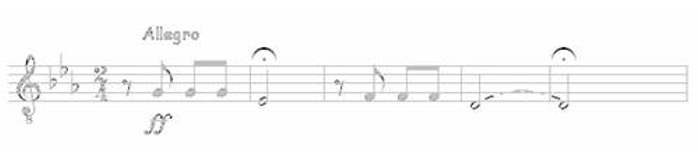
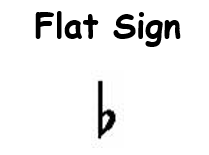
A sign which lowers the pitch of a note by one semitone.
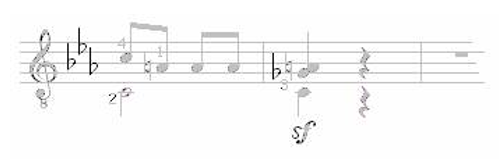
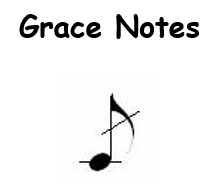
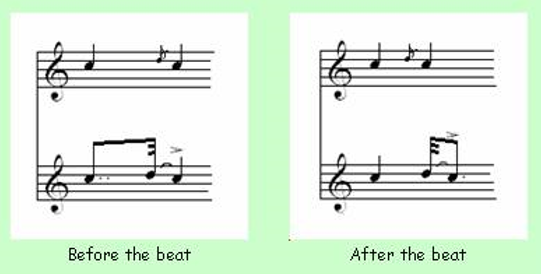
(From an Italian word meaning "to lean".) A grace note is either played quickly just before the beat resolving to the accented principal note, or is played on the beat but resolving quickly to the accented principal note.
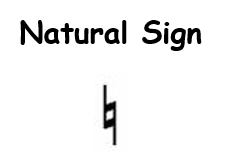
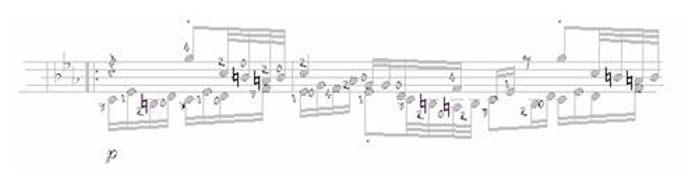
A note neither sharpened nor flattened. The sign placed before a note that is neither sharpened nor flattened.
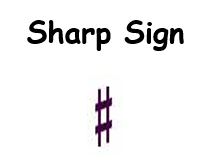
A sign to show that a note should be raised one semitone in pitch.
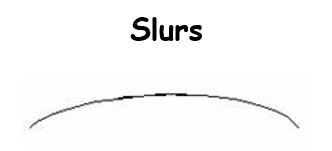
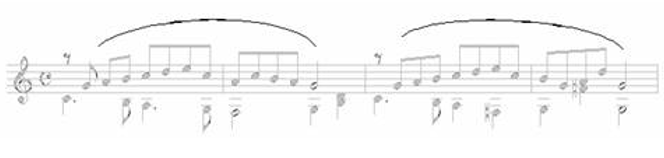
A group of notes are played in one breath. Notes move smoothly one to the other with no perceptible break.
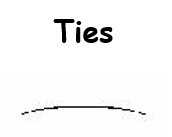
Note is sustained through the total time value of the notes under the tie.
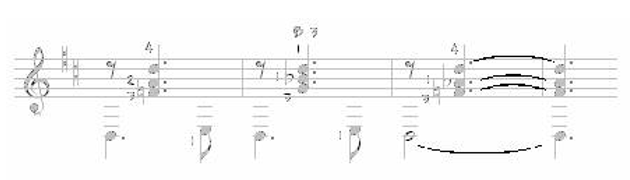

An additional elaboration added to a written melody.
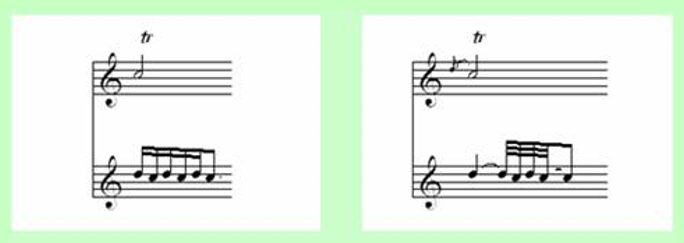
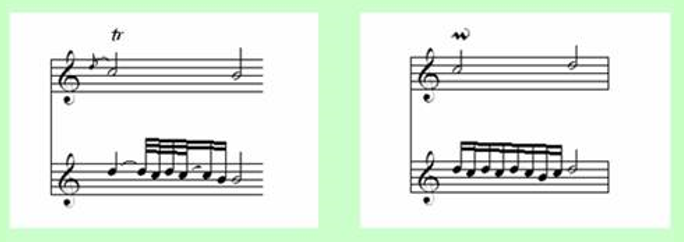
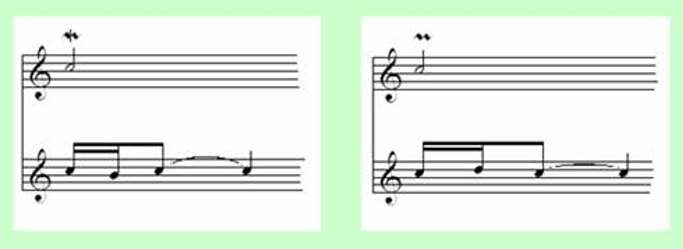
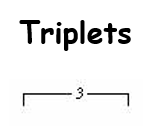
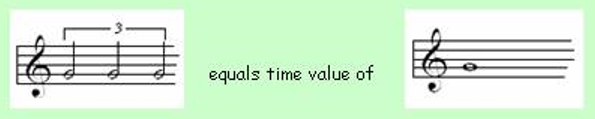
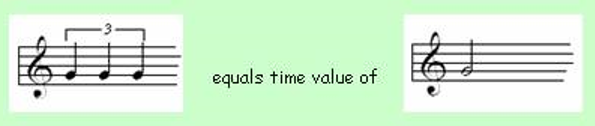
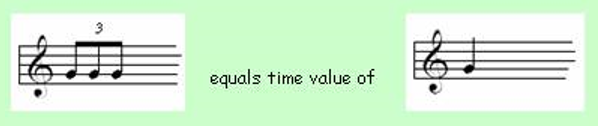
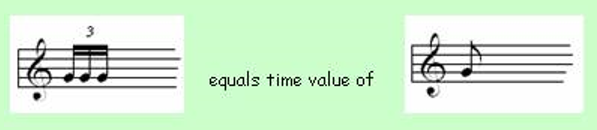
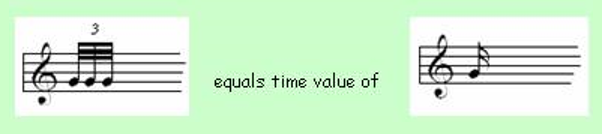
A group of three notes of equal time value performed in the time of two. One or two of the notes may be rests of equal value.
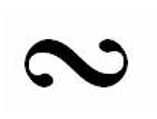
The note above, the note itself, the note below, then the note itself again. The turn may be inverted as in the preparation of an ascending trill when the note sequence becomes the note below, the note itself, the note above, then the note itself again.